
What is Data Sovereignty?
Data sovereignty is the concept that data should be governed by the rules and regulations in the locale and region where it’s generated, collected, or stored, and regional regulations should determine how to use data — not those who collect and use it.
In today's digital economy, data is one of the most valuable assets a business can have. Yet many exporters and trade organisations still rely on fragmented processes and third parties for their document legalisation, leaving information shared, scattered and vulnerable. This can expose organisations to cyberattacks, compliance risks and reduced customer trust. Data sovereignty changes that.
As a principle, data sovereignty ensures that organisations have full ownership and control over their data, including how it's collected, stored, processed and accessed. For exporters, it's not just a compliance measure - it's a strategic advantage.
Sovereignty, Residency & Localisation
Data sovereignty, residency and localisation - Forbes defines these three key requirement terms as follows:
Data sovereignty: Data sovereignty requirements encompass the legal and regulatory mandates used to exert control by a country or region over data within their borders. Increasingly, these mandates empower individuals to exert more control over their own data. Companies are required to comply with these regulations based on the location of the data.
Data residency: Data residency requirements dictate the physical location where data is stored and processed. Data residency is often an internal policy requirement or contractual commitment provided to customers independently of any other regulatory requirements or the source of the data.
Data localisation: Data localisation requirements are typically regulatory mandates that enforce the storage and processing of data within the country or region it was created. Companies are required to adhere to this requirement for all data when operating in certain countries or regions.

The Risk of Losing Control
When export data passes through multiple third parties and systems, organisations can lose visibility and oversight. Issues such as incomplete audit trails, missing documents and delayed approvals become far more likely. Data may also be stored or processed in ways that don't meet local security or regulatory requirements, creating potential legal and financial liabilities. Without full ownership, these data risks can remain hidden until it's too late.
Unlocking Value
Data sovereignty should be a central consideration for exporters and trade organisations. It doesn't just reduce harmful risks, it creates opportunity.
Controlling your data delivers tangible benefits, including:
- Protecting sensitive information and mitigating data risks
- Ensuring compliance with regulatory standards
- Knowing what data you have and where it's stored
- Strengthening customer trust and confidence
- Unlocking insights to drive smarter decision-making
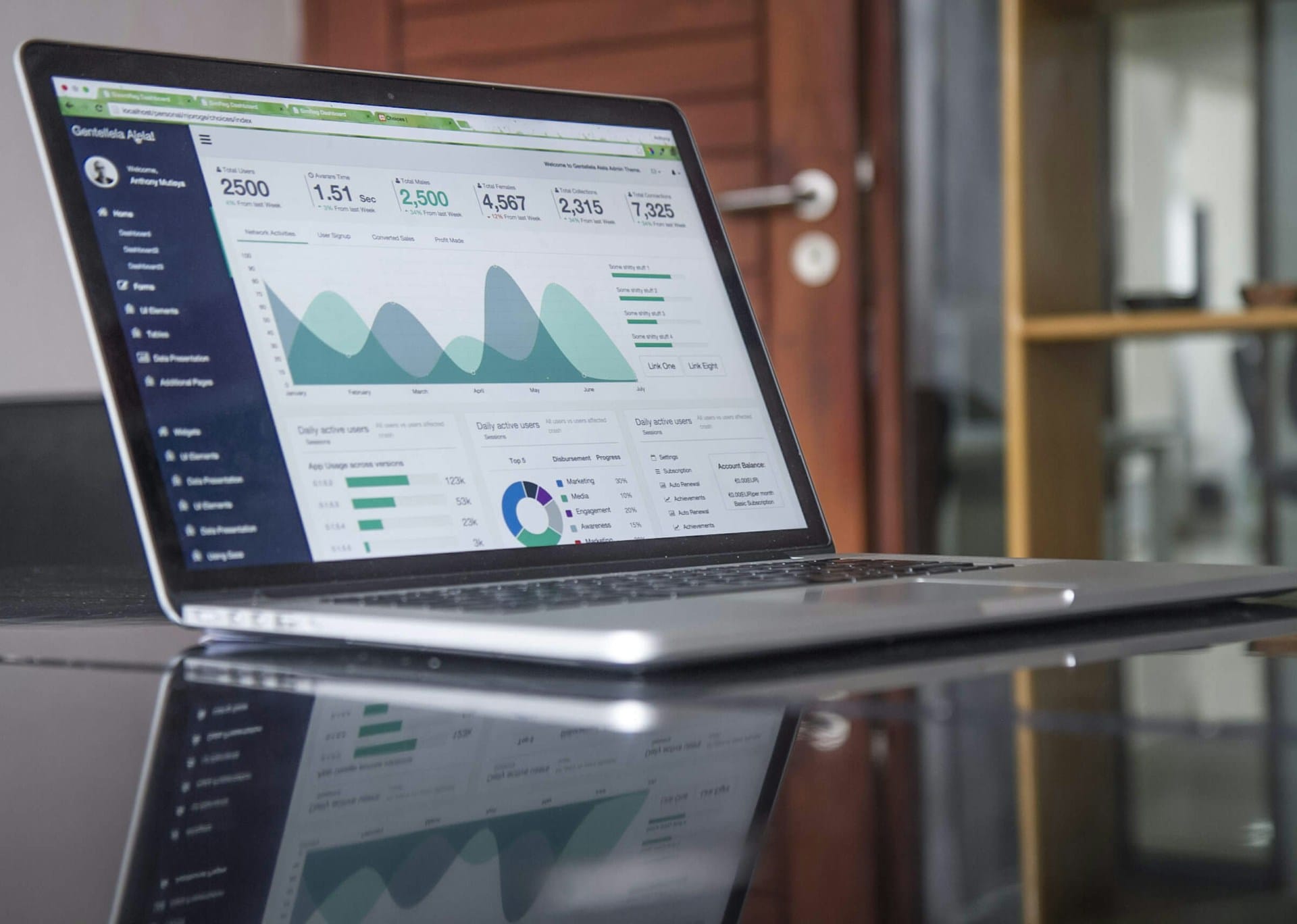
When organisations own their data, they gain the ability to analyse trends, identify inefficiencies and find ways to optimise their workflows. Platforms such as ExportExpress can play a key role in providing this level of control over the legalisation process, transforming it from a routine administrative task to a strategic, value-driven service.
Ultimately, data sovereignty empowers businesses to operate with greater confidence and agility, positioning them to respond more effectively to any new regulatory changes and evolving customer needs with lower risk and complexity.